

Automating quality control means replacing manual inspection processes with advanced technologies such as machine vision, robots, and AI, significantly improving consistency, speed, and accuracy in your production line. This leads to fewer errors, lower costs, and higher product quality, which is essential for competitive markets. Elsto Smart Solutions specializes in implementing these automated systems to elevate your production processes. An advanced inspection system for quality control is key to success here.
What is automatic quality control and how does it work?
Automatic quality control is the process of applying technologies to measure, evaluate, and ensure product quality without human intervention, leading to a more objective and faster inspection. These systems typically use sensors, cameras, and software that detect and analyze deviations based on pre-set criteria. At Elsto Smart Solutions, we build solutions specifically tailored to the unique requirements of your production environment. For example, we use advanced machine vision systems that detect defects invisible to the naked eye with high precision, and robot-controlled arms that accurately position products for inspection.
The core of an automated quality control inspection system lies in how it collects and processes data. Image recognition techniques and pattern recognition algorithms are used to compare products with a golden standard or to identify specific flaws. This includes deviations in shape, color, dimension, or surface texture. Once a deviation is detected, the system can automatically take action, such as rejecting the product or signaling a problem in the production process. Our experience shows that such systems not only improve quality but also provide valuable insights into the causes of defects, allowing for proactive intervention.
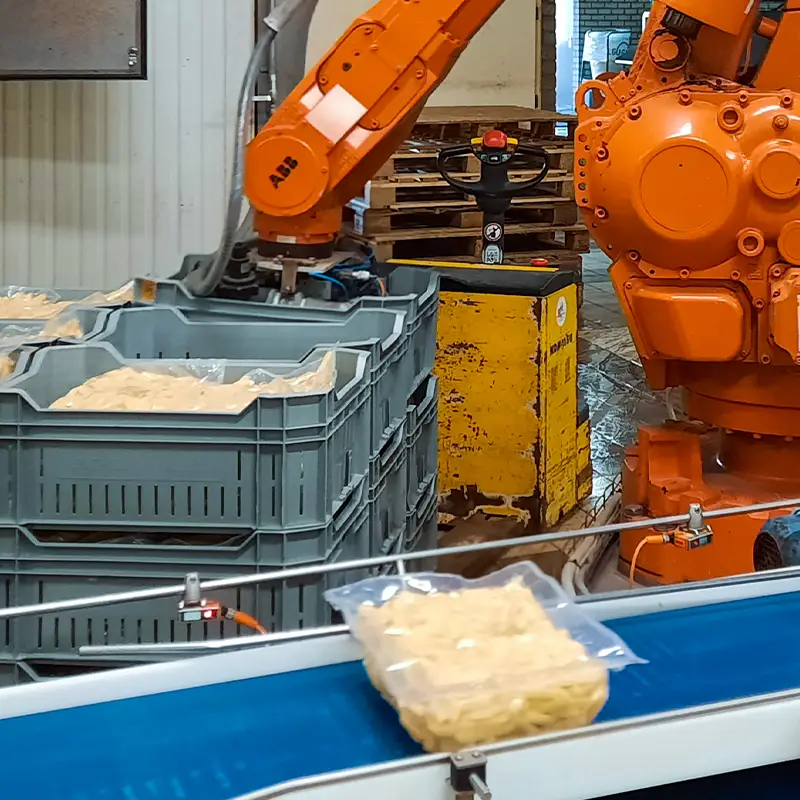
Why automate quality control? Discover the benefits for your business
Automating quality control offers numerous benefits that directly contribute to your company’s efficiency and profitability, such as higher product quality, lower operational costs, and faster turnaround times. Manual inspections are often time-consuming, prone to human error, and inconsistent. By opting for robot-controlled quality control, you eliminate these disadvantages and optimize your processes.
The main benefits we observe in practice at Elsto Smart Solutions are:
By automating quality control, you invest in the future of your company, not only improving the quality of your products but also optimizing your operational efficiency.
Who benefits from automating quality control?
Automating quality control is beneficial for a wide range of companies striving for higher efficiency, lower costs, and consistent product quality, regardless of the sector. We find this particularly relevant for companies where manual processes cause bottlenecks.
This is especially relevant for:
At Elsto Smart Solutions, for example, we have experience automating smart quality control for crates in the food industry, ensuring that only undamaged and clean crates enter the production process. This demonstrates that even seemingly simple tasks can benefit from automation. You can read more about our specific projects on our cases page.
Elsto Smart Solutions’ approach to automating quality control
At Elsto Smart Solutions, we believe in a structured and customer-oriented approach to successfully automate quality control, starting each project with a thorough analysis of your existing processes and specific quality requirements. Our expertise enables us to design customized solutions that seamlessly integrate with your current production line.
Our approach includes the following steps:
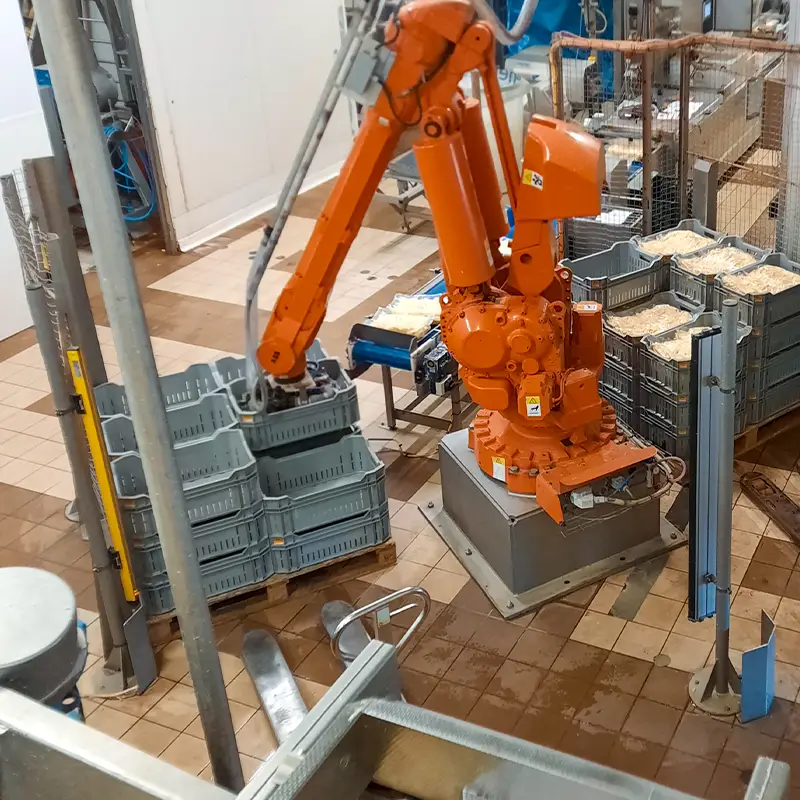
We are proud to help customers innovate and optimize their production processes.
Robot-controlled quality control: the precision of robotics
Robot-controlled quality control uses industrial robots equipped with advanced sensors and cameras to inspect products with unprecedented precision and speed, significantly increasing the consistency and reliability of your quality assurance. These robots can perform tasks that are too repetitive, too dangerous, or too inaccurate for humans.
At Elsto Smart Solutions, we see the added value of robot-controlled systems in various applications:
Our experts at Elsto Smart Solutions have extensive experience in designing and implementing robot-controlled quality control systems that seamlessly integrate into your existing production line. We ensure that your robotic solution works reliably and efficiently.
Smart quality control for crates: a practical example
Smart quality control for crates is a specific example of automated inspection where advanced vision systems are used to check the condition of crates before they are reused in the food or logistics sector. This ensures that only clean and undamaged crates enter the production line.
At Elsto Smart Solutions, we have successfully applied this concept for various clients:
The implementation of smart quality control for crates by Elsto Smart Solutions results in a significant improvement in hygiene, a reduction in product loss due to defective packaging, and more efficient business operations.
Optimize your production with automated quality control
Automating quality control is no longer a luxury but a necessity for companies that want to excel in a competitive market. By investing in advanced inspection systems and robot-controlled solutions, you not only increase product quality and consistency but also achieve significant cost savings and higher productivity. The expertise of Elsto Smart Solutions guarantees seamless integration of these technologies into your existing processes, from concept to realization and aftercare.
We are your partner in innovation and optimization. Our approach, focused on in-depth analysis and customization, ensures that you receive a solution that perfectly matches your specific needs. Whether it’s smart quality control for crates or complex inspections of technical components, we have the knowledge and experience to help you. A well-functioning quality control inspection system is the basis for efficient and flawless production. Contact us today to discover how we can automate your quality control and elevate your business.
Frequently asked questions about automating quality control
Below, we answer some frequently asked questions about automating quality control and the benefits it offers.
What is automatic quality control?
Automatic quality control is the process where machines and advanced technologies such as machine vision, sensors, and robotics are used to inspect and evaluate products based on predefined quality standards, without human intervention. This leads to higher accuracy and consistency in inspection.
What is the automation method?
The automation method refers to the systematic approach of replacing manual tasks with automated systems, where processes are analyzed, technologies are selected and implemented, and systems are tested and optimized to improve efficiency and reliability. Elsto Smart Solutions follows a proven method to successfully implement this.
What is a quality control inspection system?
A quality control inspection system is an integrated solution consisting of hardware (such as cameras, sensors, robots) and software (for image processing, data analysis, and process control) to monitor and ensure product quality within a production environment. The system detects deviations and can automatically take action.
What is an example of automation in quality control?
A concrete example of automation in quality control is a system that uses machine vision cameras to scan the surface of manufactured parts for scratches, dents, or color deviations, after which a robotic arm automatically removes defective parts from the production line. This process, as applied by Elsto Smart Solutions, ensures consistent and high product quality.