
How do I calculate TCO for business investments?
Total Cost of Ownership (TCO) is a critical indicator for any business investment, from machinery and software to vehicle fleets and real estate. Calculating TCO requires a thoughtful approach. It goes beyond the initial purchase price and includes all direct and indirect costs incurred throughout an asset’s lifespan. An accurate TCO calculation allows you to make informed decisions, identify hidden costs, and assess the true value of an investment. At Elsto Smart Solutions, we understand this complexity and are here to help make these calculations transparent and clear, ensuring you always make the most profitable choice for your organization.
What kind of information do you find in this article:
What is TCO and why is it so important for your business?
TCO, or Total Cost of Ownership, is a financial calculation that maps out the total costs of a product or system throughout its entire lifecycle. This includes not only the purchase price but also operational costs, maintenance, training, depreciation, and even disposal or replacement costs at the end of its life. The importance of a thorough TCO analysis lies in preventing surprises and making strategically better investment decisions. By including all cost components, you gain a realistic view of an asset’s financial impact, which is essential for budgeting and long-term planning.
The core components of a TCO calculation
To calculate TCO effectively, it is essential to identify and quantify all relevant cost items. We broadly distinguish three main groups: direct costs, indirect costs, and end-of-life costs. This includes the initial investment, operational expenses such as energy and consumables, but also less visible costs like downtime or staff training. A complete inventory ensures you do not overlook any important factors, which significantly increases the reliability of your calculation.
Initial investment costs: more than just the purchase
Initial investment costs include much more than just the catalog price of a machine or software license. These cover the actual purchase price, any import duties, transport costs, installation costs, and initial configuration costs. We often see companies underestimate these items, which directly leads to a distorted view of the total investment. It is crucial to examine these in detail and include all additional costs from the outset.
Operational costs: the daily expenses
Operational costs are the recurring expenses needed to keep the asset running. These include energy costs, consumables (e.g., parts, chemicals), software license fees, insurance, and taxes. The labor costs of personnel operating or managing the asset must also be included. These costs vary significantly per asset and usage frequency, requiring an accurate estimate of consumption and necessary man-hours.
Maintenance and repair costs: unavoidable expenses
Every machine or system requires periodic maintenance, and repairs are inevitable. This cost item includes both preventive maintenance and corrective maintenance (repairs after breakdowns), spare parts, and technician labor costs. A good maintenance plan can significantly extend an asset’s lifespan and minimize unexpected downtime, directly impacting TCO. At Elsto Smart Solutions, we always recommend a proactive approach to maintenance.
Costs of downtime and production loss: the hidden impact
Downtime, the period during which an asset is not functioning, can lead to significant production loss and missed revenue. These costs are often more difficult to quantify but have a major impact on TCO. Consider missed orders, penalties for unfulfilled deliveries, or the costs of temporarily hired staff. Estimating the potential impact of breakdowns and the average recovery time is very important here.
Depreciation and residual value: financial devaluation
Depreciation is the accounting method for spreading an asset’s value reduction over time. Residual value is the estimated value of the asset at the end of its economic life. These factors affect the net cost of the asset over its entire period. A higher residual value can significantly reduce TCO, making high-quality and sustainable solutions even more attractive.
How do I calculate TCO step by step?
Calculating TCO follows a structured process that helps you systematically map out all costs. By following these steps, you create a reliable and complete picture of the total costs. We use an approach that is both detailed and practical, so you can directly apply the results to your decision-making.
The influence of automation on Total Cost of Ownership
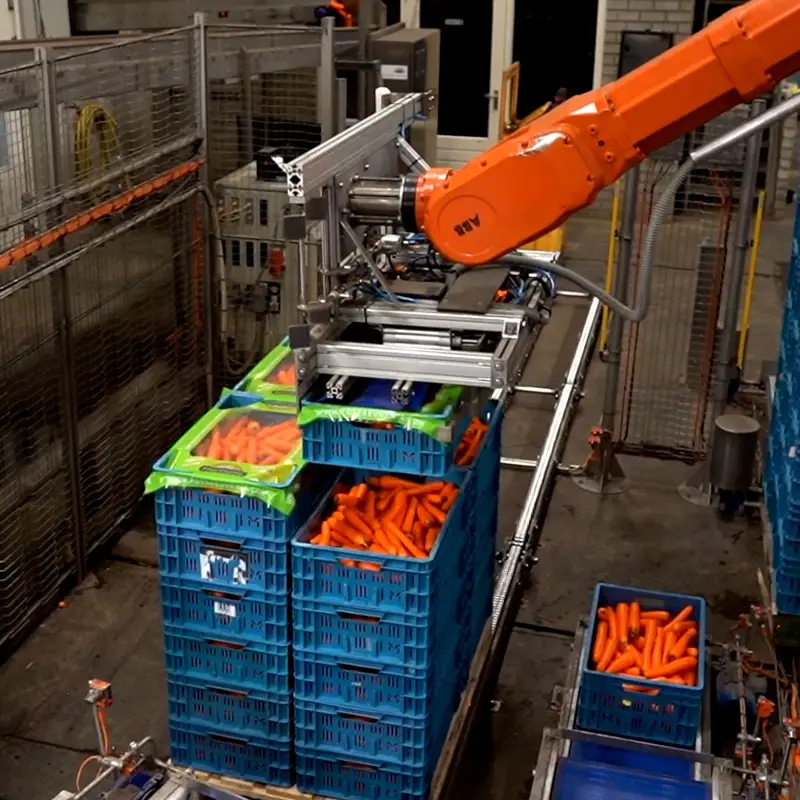
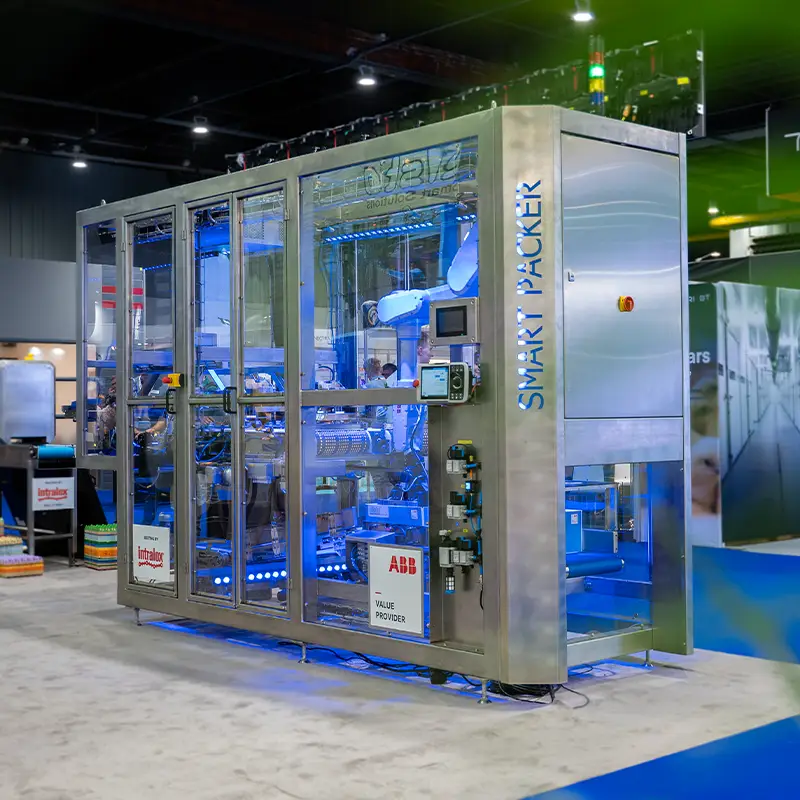
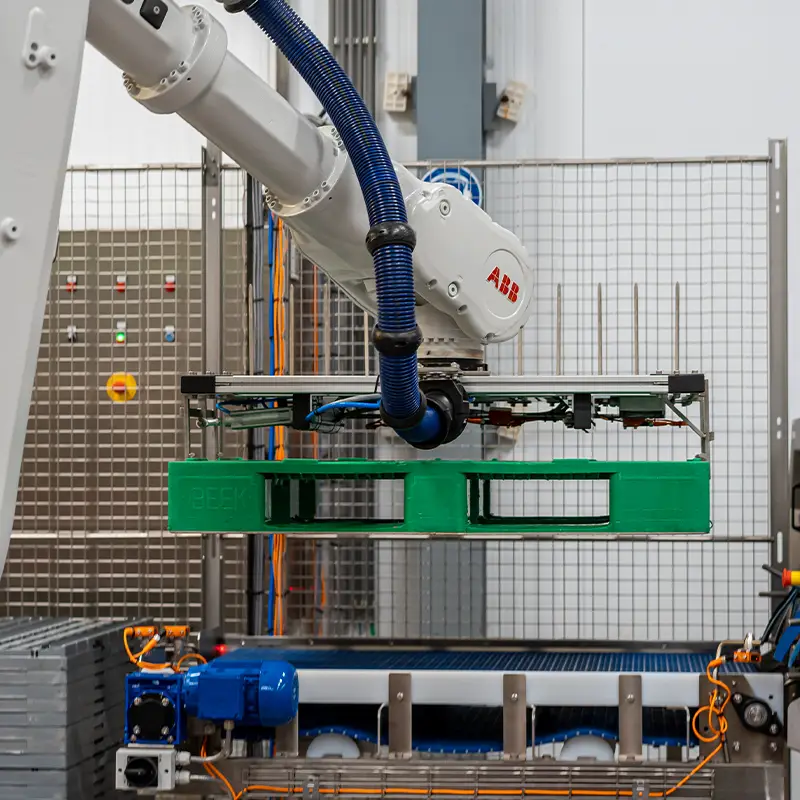
Automation and robotics can have a huge impact on the TCO of business processes. While the initial investment may be higher, long-term operational savings often result in a significantly lower TCO. At Elsto Smart Solutions, we see this daily in the projects we implement.
Consider, for example:
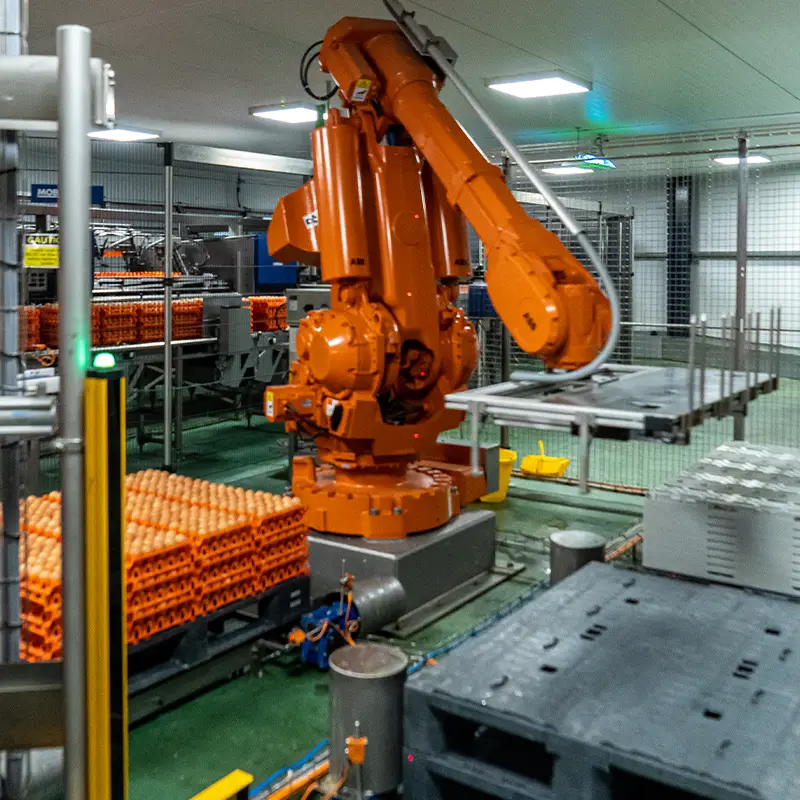
We have seen firsthand in various sectors, such as the poultry industry, how robotics drastically reduces TCO. You can read more about this in our blog on how robotics solves the labor shortage in the poultry sector.
TCO versus other cost analyses
It is important to distinguish TCO from other cost analyses, such as ROI (Return on Investment) or Payback Period. While all are valuable, they offer different perspectives on an investment.
A complete financial analysis often combines all these methods to get the most comprehensive picture possible. TCO forms the basis, representing the cost side of the equation.
Case study: Total Cost of Ownership optimization in egg processing
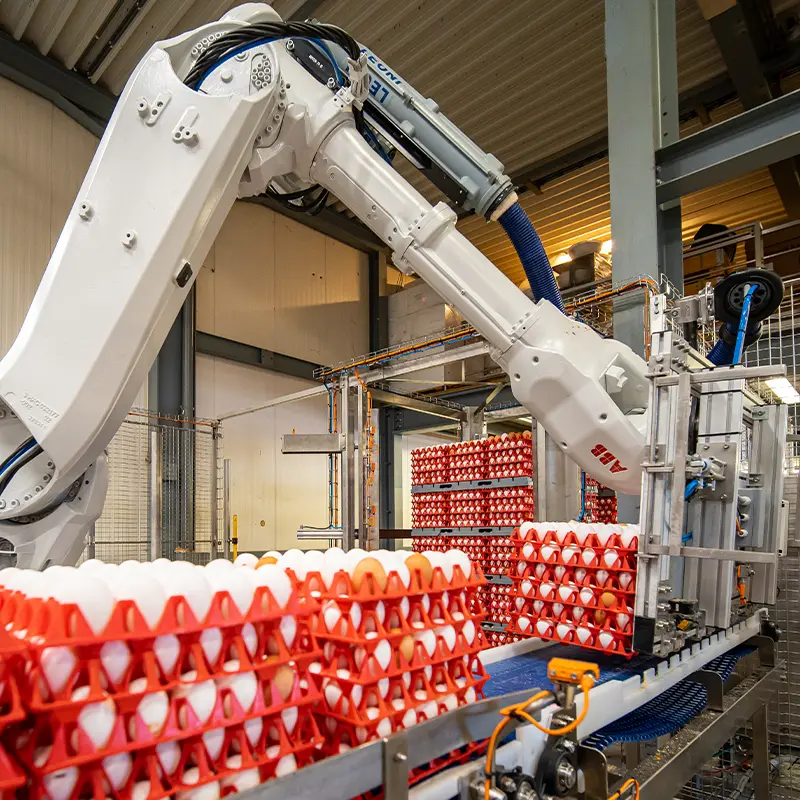
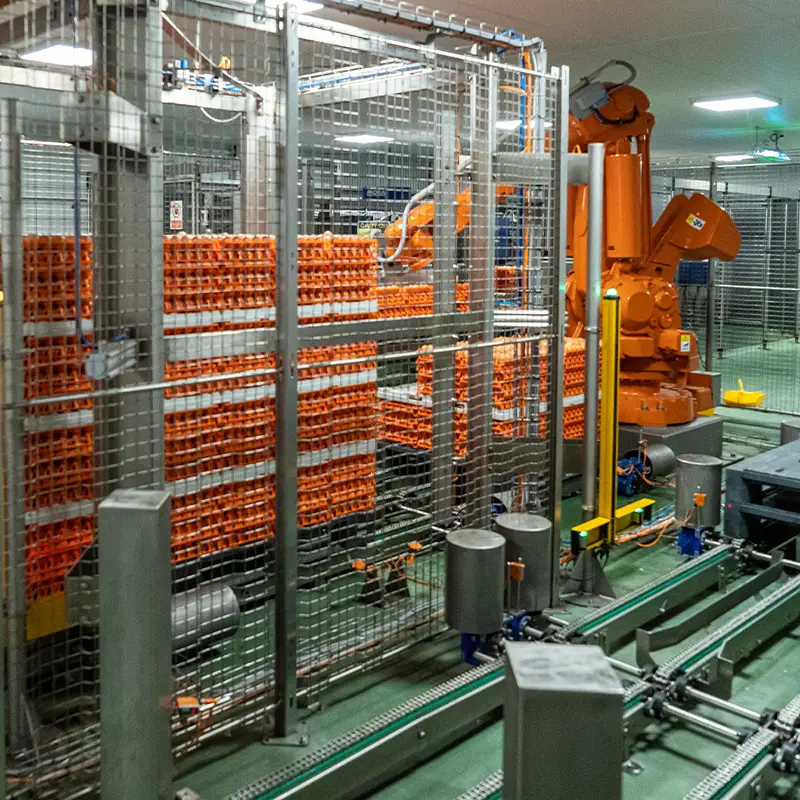
A concrete example from our practice illustrates the power of TCO calculations. At an egg processing company, we observed a high TCO due to manual sorting and packaging, leading to high labor costs, consistency issues, and product damage.
Before automation:
After implementing automated egg sorting systems:
The TCO analysis prior to the investment showed that the initial higher costs were amply offset by operational savings over a 5-year period, resulting in significantly higher profitability for the company.
Conclusion: a strategic view of investments with TCO
Calculating TCO is an indispensable step for any organization aiming for sustainable and profitable investments. It allows you to look beyond the initial price tag and understand an asset’s true impact on your finances. By mapping out all costs, both visible and hidden, you can make strategically better decisions, increase efficiency, and prevent unexpected expenses. At Elsto Smart Solutions, we are your reliable partner in this process. We assist you not only with advanced automation solutions but also with the expertise to accurately analyze and optimize the TCO of your investments. Contact us today to discover how we can support your business.
Related posts