Industrial automation for manufacturing companies
The modern manufacturing industry faces unprecedented challenges. Consider the rising demand for efficiency, the need for cost reduction, and the shortage of skilled personnel. In this landscape, tailored industrial automation for manufacturing companies is no longer a luxury, but an absolute necessity. It enables you to optimize your processes, increase product quality, and strengthen your competitive position. But what exactly does this custom automation entail, and how can it transform your company?
This article dives deeper into the world of industrial automation, specifically targeting the unique needs of manufacturing companies. We explore the benefits, technologies, and strategic considerations involved in implementing smart, custom-made solutions. You will discover how Elsto Smart Solutions, with its in-depth expertise, can guide you through every step of this process, from concept to realization. Prepare for a journey that will provide insight into how to take your production processes to the next level.
What kind of information do you find in this article:
What is custom industrial automation?
Custom industrial automation is the process of designing and implementing specific machines, software, and systems to optimize unique production processes. Unlike standard solutions, which are often generic and do not perfectly align with a company’s specific requirements, custom automation focuses on the exact bottlenecks and wishes of the customer. This involves creating a seamless integration of technologies that increase the efficiency, productivity, and reliability of production.
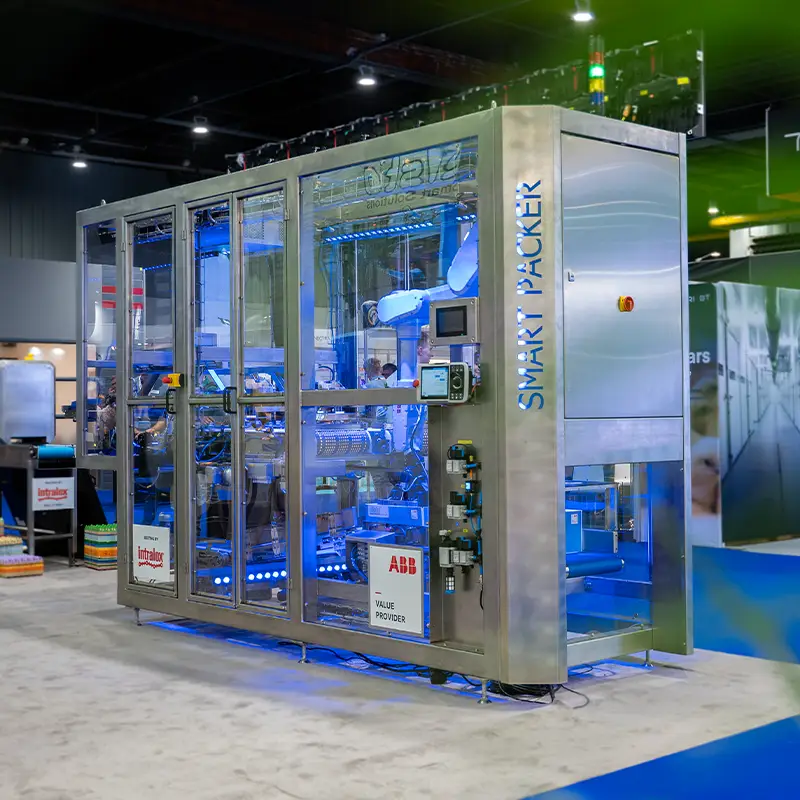
An important aspect of custom industrial automation is flexibility. Manufacturing companies operate in dynamic markets where product requirements and volumes can change rapidly. A custom solution is designed to grow with and adapt to these changes, ensuring your investment is future-proof. It encompasses a wide range of technical disciplines, including mechanical engineering, software development, electrical engineering, and robotics. Elsto Smart Solutions specializes in delivering these types of integrated and custom solutions, transforming your specific challenges into efficient and reliable systems.
The basic principles of process optimization
Process optimization is central to custom automation. This means that every step in your production process is critically analyzed. Where are the bottlenecks? Which tasks are repetitive, error-prone, or physically demanding? By identifying these aspects, targeted automation solutions can be developed. The goal is not only to automate tasks, but to streamline the workflow, reduce waste, and shorten lead times. This results in higher output and lower operating costs.
Why invest in automation for manufacturing companies?
The benefits of tailored industrial automation for manufacturing companies are multifaceted and impactful. Investing in these technologies is a strategic move that safeguards your company’s long-term viability and competitiveness. It goes beyond merely replacing human labor; it creates new opportunities for growth and innovation.
Here are some of the most decisive reasons:
These benefits collectively contribute to more robust and future-proof business operations. Elsto Smart Solutions is happy to help you map out the specific benefits for your situation.
Important technologies in industrial automation
Industrial automation is a broad field encompassing a range of advanced technologies. Choosing the right technologies is crucial for the success of a custom solution. Elsto Smart Solutions seamlessly integrates these technologies to achieve the most effective systems.
Robotics and cobots
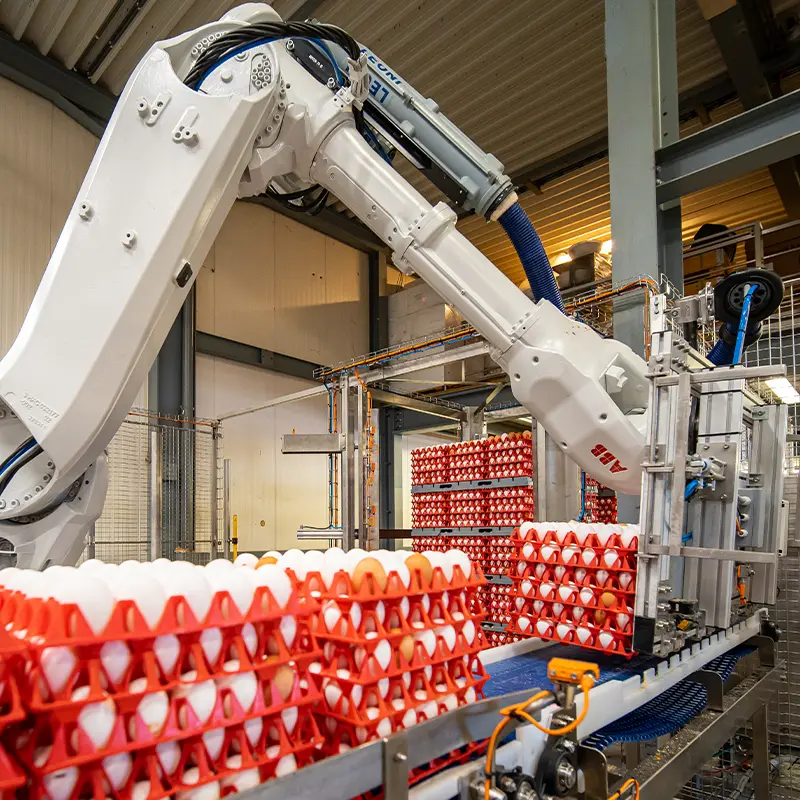
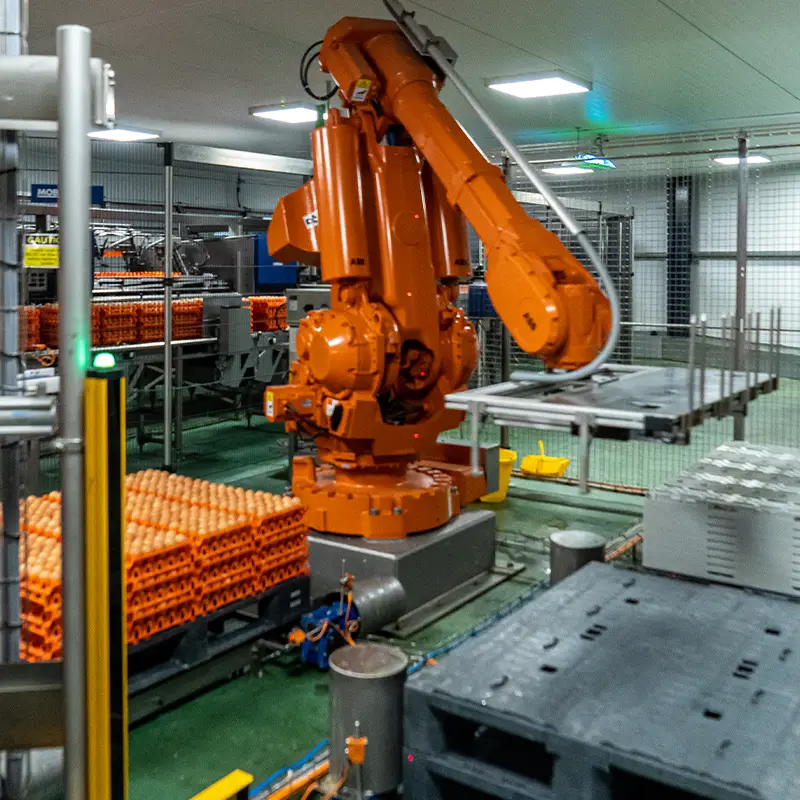
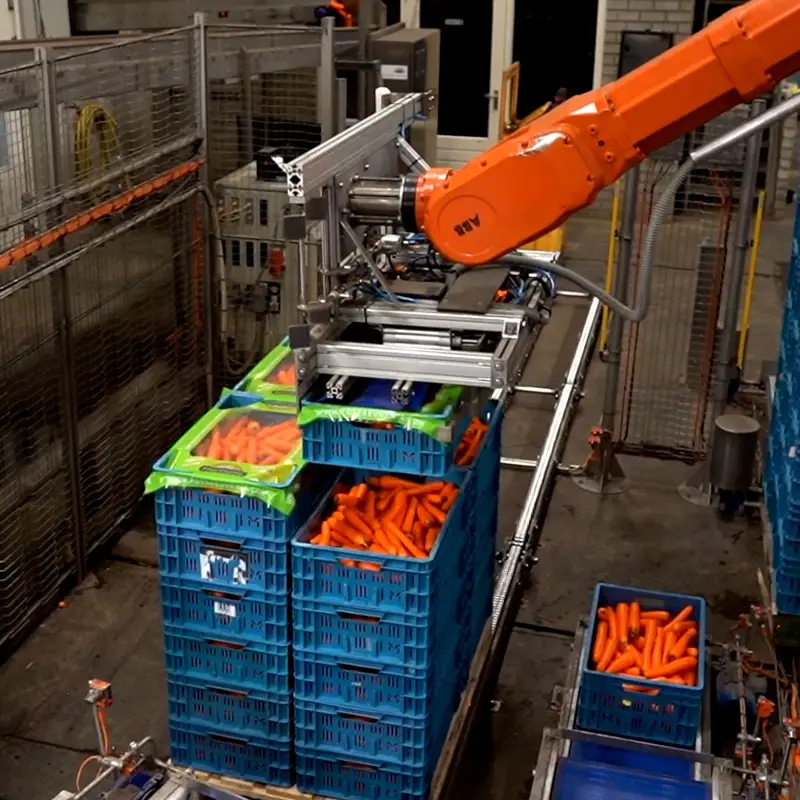
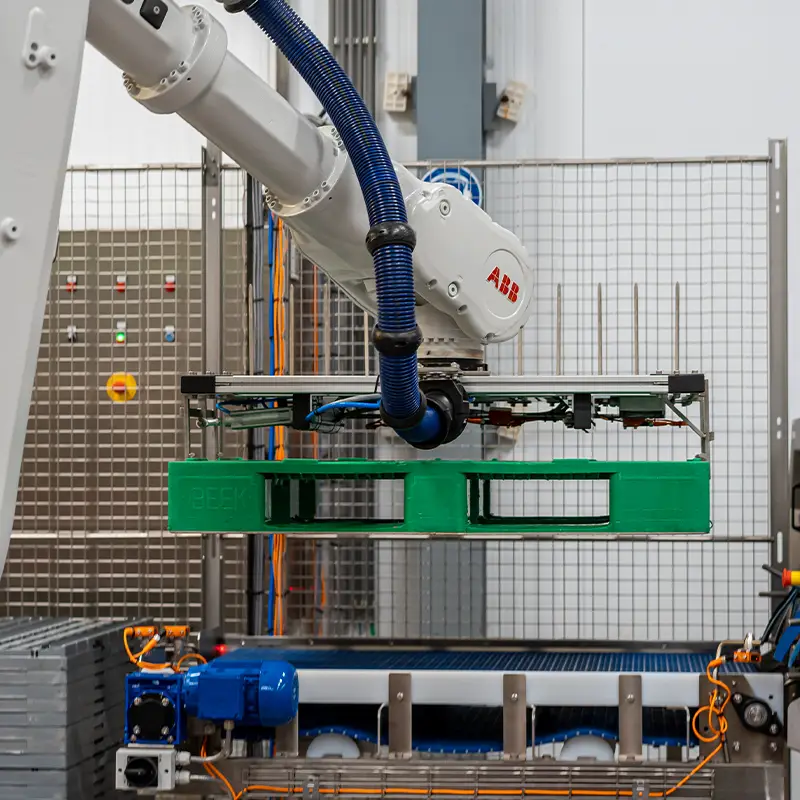
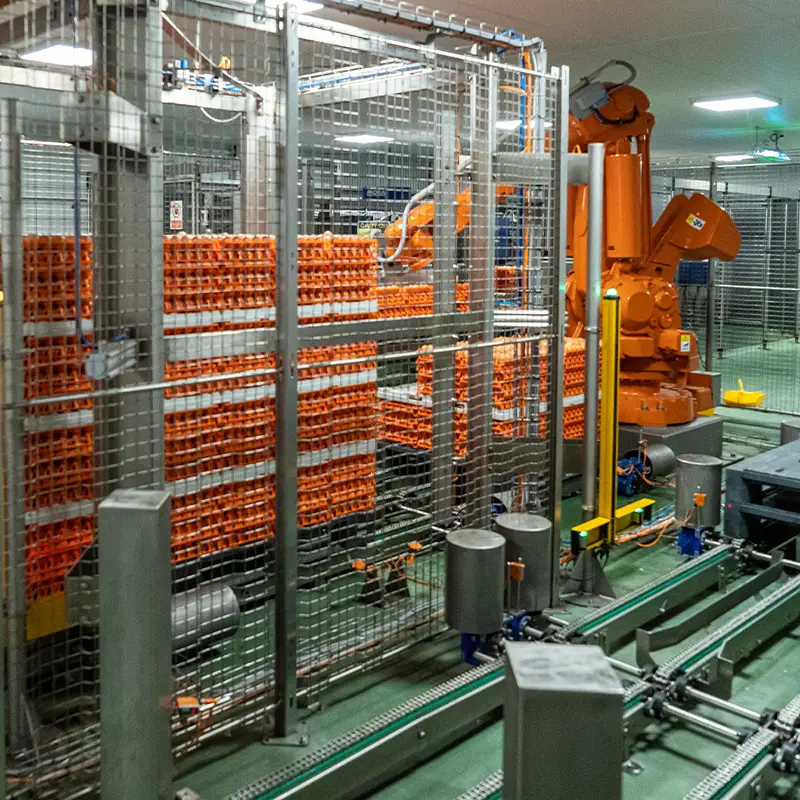
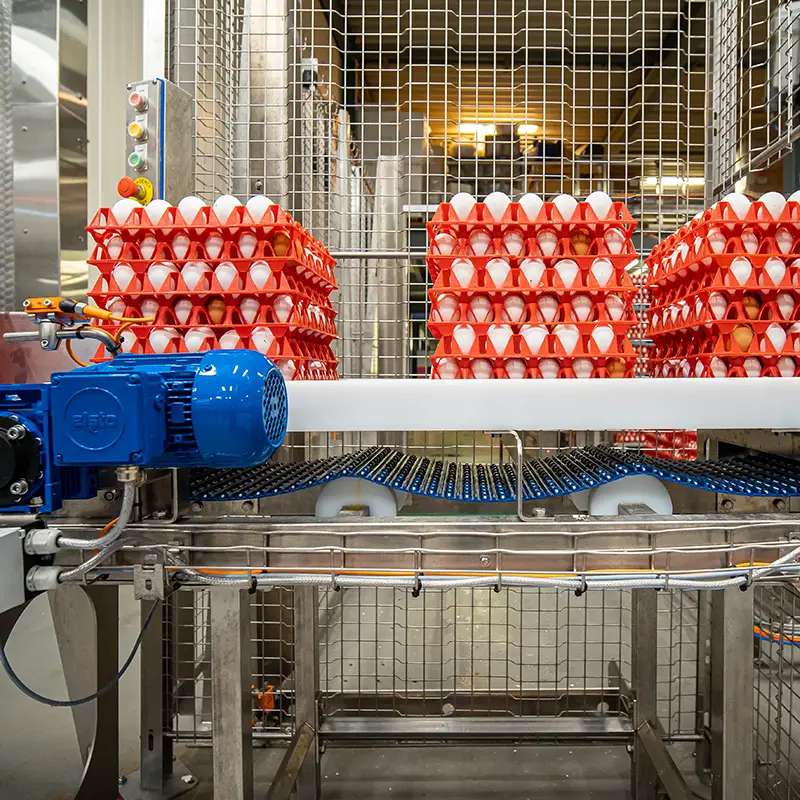
Robots have long been a pillar of industrial automation, particularly in tasks that are repetitive, precise, or hazardous. Examples include welding, assembly, pick-and-place, and palletizing. The rise of cobots (collaborative robots) has further expanded these capabilities. Cobots are designed to work safely alongside humans without the need for guards. This opens the door to automation in tasks where flexibility and human interaction are desired. For instance, they can assist with lifting heavy parts or performing precise operations.
PLC control and SCADA systems
PLCs (Programmable Logic Controllers) form the heart of many automated systems. They are robust industrial computers that control processes and machines based on programmed logic. From simple on/off functions to complex motion control, PLCs provide the operational intelligence. SCADA (Supervisory Control and Data Acquisition) systems offer an overarching view of the entire factory floor. They collect data from PLCs and other sensors, visualize processes, and enable operators to supervise and operate systems remotely. This is essential for monitoring, reporting, and rapid troubleshooting.
Vision systems and AI
Vision systems, often integrated with artificial intelligence (AI), enable machines to “see” and “interpret.” They are used for quality control (defect detection), product identification, accurate positioning, and even for complex pick-and-place tasks where objects are randomly positioned. AI algorithms can learn from data to recognize patterns and make decisions, exponentially increasing the precision and reliability of vision systems. This enables advanced inspection and sorting that was previously unthinkable.
Data analysis and the Internet of Things (IoT)
The Internet of Things (IoT) connects machines, sensors, and devices in the factory to the internet, allowing them to constantly exchange data. This vast amount of data is subsequently analyzed to gain insights into machine performance, process efficiency, and potential bottlenecks. Predictive maintenance, which prevents failures before they occur, is a direct result of this data analysis. By monitoring machine behavior, maintenance schedules can be optimized, minimizing downtime and extending machine lifespan.
The approach of Elsto Smart Solutions
At Elsto Smart Solutions, we understand that every production environment is unique. That is why we employ a structured and customer-oriented approach to customized industrial automation for manufacturing companies. Our goal is not just to deliver a solution, but to enter into a partnership that results in sustainable improvements.
Analysis and concept development
Everything begins with a thorough analysis of your current processes, challenges, and goals. Our team of experts visits your location, speaks with your employees, and maps out the entire value chain. Based on this, we develop a concept that perfectly aligns with your needs. This includes a detailed plan with technology choices, a functional design, and a realistic cost-benefit estimate. We look beyond just the technology; we consider the impact on your organization and employees.
Engineering and realization
After approval of the concept, the engineering phase begins. Our experienced engineers design the mechanical, electrical, and software components of the solution. We use the latest CAD software and simulation tools to guarantee an optimal design. Next, we proceed to realization, where the components are built, assembled, and tested in our own facilities or at specialized partners. Throughout this process, we keep you closely involved and ensure transparent communication.
Installation, commissioning and training
The on-site installation is carefully planned and executed to minimize disruption to your production process. Following the installation, commissioning takes place, during which the system is extensively tested under production conditions. Our engineers ensure that everything works perfectly and meets the specified requirements. In addition, we provide comprehensive training for your employees so that they can operate and maintain the new systems safely and efficiently. After all, a successful implementation requires well-trained personnel.
Long-term service and support
Our commitment does not end after delivery. Elsto Smart Solutions offers comprehensive service and support contracts to ensure the continuity and performance of your automated systems. This includes preventive maintenance, rapid response to malfunctions, and the possibility of further optimizations. We believe in long-term relationships and are always ready to support you in the further evolution of your production processes. For more information about our approach, visit our website or view our diverse cases.
Success stories of custom automation
Real-world examples show how tailored industrial automation actually transforms manufacturing companies. These stories illustrate the power of targeted solutions and the impact they have on efficiency, quality, and profitability.
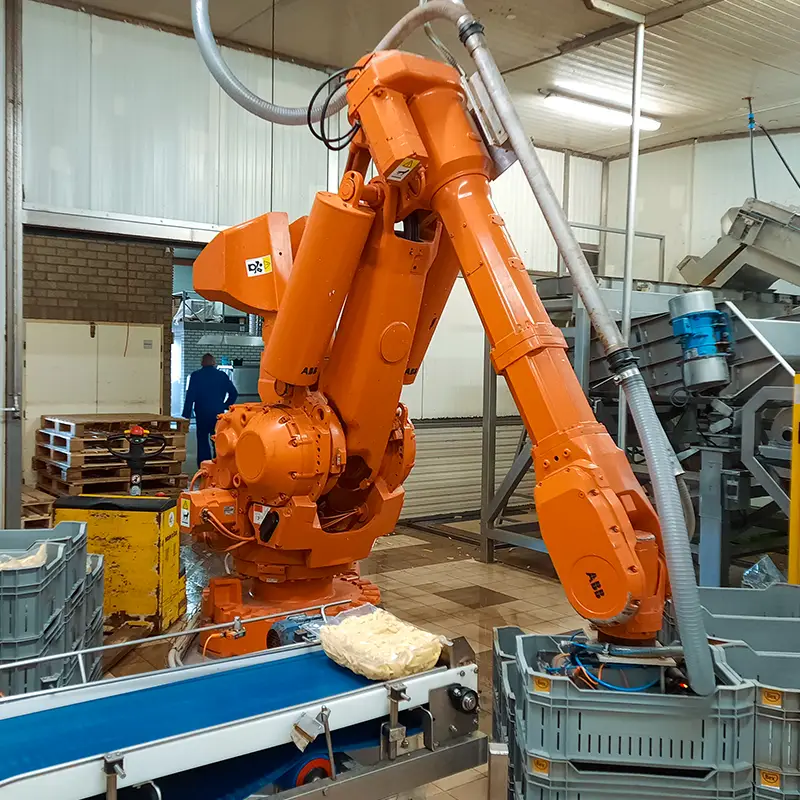
A good example is the robot integration at a potato peeling company, where Elsto Smart Solutions played a crucial role. Previously, peeling and sorting potatoes were labor-intensive and repetitive tasks, often performed under less-than-ideal conditions. Through the implementation of advanced robotic arms equipped with vision systems, the company was able to significantly speed up the production line. The robots now accurately perform the peeling process and sort the potatoes by quality and size, resulting in a more consistent output and less waste. The employees who previously performed these tasks can now be deployed for more complex duties, which increases their job satisfaction and overall productivity.
Another success story involves a metalworking company that struggled with long lead times and high error rates when bending complex metal parts. Elsto Smart Solutions developed an automated bending cell, including robot loading and unloading, and an advanced measuring system that performs corrections during the process. This led to a drastic reduction in lead time, an error rate reduced to virtually zero, and a significant improvement in ergonomics for the operators. The investment quickly paid for itself through higher output and reduced rejects. These examples underscore the versatility and tangible benefits of customized industrial automation, such as that offered by Elsto Smart Solutions. You can learn more about specific projects on our cases page.
Challenges and considerations during implementation
While the benefits of customized industrial automation are evident, its implementation also brings challenges and important considerations. A thorough understanding of these is essential for a successful project. Elsto Smart Solutions guides you through these considerations, enabling you to make informed decisions.
Costs versus benefits
The initial investment in automation can be substantial. It is therefore crucial to develop a solid business case in which costs are weighed against expected benefits. Consider the Return on Investment (ROI) and the payback period. Factors such as increased productivity, lower labor costs, reduced waste, higher quality, and improved safety must be quantifiable. It is also important to include hidden costs, such as maintenance, training, and potential infrastructure modifications, in the calculation.
Integration with existing systems
Many manufacturing companies work with a mix of older and newer machines and software systems. Integrating new automation solutions with this existing infrastructure can be complex. Compatibility issues, data exchange, and the need to modernize legacy systems are common challenges. An expert approach is required to ensure a seamless transition and minimize downtime. Elsto Smart Solutions has extensive experience integrating diverse systems into a single coherent whole.
Change in the organization and personnel
Automation has a direct impact on employees and organizational culture. Fear of job loss, the need for retraining, and resistance to change are real issues. It is of great importance to involve employees in the process early on, communicate openly about the benefits, and invest in training and development. Automation should be viewed as a means to improve the quality of work and create new opportunities, not as a threat. Good change management is indispensable in this regard.
Safety and cybersecurity
With the increase in connected systems and data exchange, safety and cybersecurity risks are also increasing. Industrial automation systems must be protected against unauthorized access, cyberattacks, and data loss. This requires robust security protocols, regular updates, and a proactive approach to risk management. The physical safety of operators when collaborating with robots (cobots) is also an important point of attention.
The future of industrial automation
The future of industrial automation is dynamic and promising. We stand on the eve of a new industrial revolution, driven by advanced technologies and an increasing need for flexibility and efficiency. Elsto Smart Solutions follows these developments closely and implements the latest innovations in its projects.
Industry 4.0 and smart factories
Industry 4.0, often referred to as the fourth industrial revolution, describes the complete digitalization and networking of all production processes. The concept of the ‘smart factory’ is central to this: a fully automated and interconnected production environment in which machines, systems, and products communicate and make decisions autonomously with each other. This leads to unprecedented levels of efficiency, flexibility, and personalization in production. The principles of Industry 4.0 encompass cyber-physical systems, the Internet of Things (IoT), cloud computing, and artificial intelligence.
Sustainability and energy efficiency
Sustainability is becoming an increasingly important aspect of industrial automation. Future systems will be more efficient not only in terms of production, but also in energy consumption and resource management. Automation can help reduce waste, optimize energy consumption, and implement circular production processes. Consider smart sensors that detect energy waste or robots that process materials more efficiently. This contributes to greener business operations and meets the growing societal demand for sustainability.
Human-machine collaboration
The role of humans in the automated factory is evolving. Instead of replacing jobs, automation will increasingly lead to a synergy between humans and machines. Cobots are an excellent example of this. Employees will focus on more complex tasks requiring creativity, problem-solving, and critical thinking, while robots take over repetitive and physically demanding tasks. This results in higher job satisfaction and a production environment that is both efficient and human-centered. The focus shifts to optimizing collaboration, where the strengths of both humans and machines are utilized to the fullest.
Frequently asked questions about industrial automation
Industrial automation often raises many questions, especially when you are considering taking this step for your manufacturing company. Here, we answer some frequently asked questions to help you on your way.
What are the main benefits of industrial automation for my manufacturing company?
The key benefits are a significant increase in efficiency and productivity, an improvement in product quality and consistency, a reduction in operating costs, and an improvement in workplace safety. Moreover, it makes your company more flexible and scalable, which is essential in a dynamic market.
How long does the implementation process of an automated system take?
The duration of the implementation process varies widely and depends on the complexity and scale of the project. Small-scale robot integration can take a few months, while complete factory automation can take several years. Elsto Smart Solutions always draws up a detailed timeline after the analysis and concept development, so you know exactly where you stand.
Is industrial automation only suitable for large companies?
Absolutely not. Although large companies often have the resources for large-scale projects, there are increasingly more affordable and scalable automation solutions available for small and medium-sized enterprises (SMEs). The benefits of automation, such as efficiency and quality, are relevant to every company, regardless of size. Custom solutions can be perfectly tailored to the specific needs and budgets of SMEs.
What is the difference between automation and robotization?
Automation is a broad concept that refers to the use of technology to control processes and perform tasks with minimal human intervention. Robotization is a specific form of automation in which robots are deployed to perform physical tasks. Robots are therefore part of the broader world of industrial automation.
The smart step towards the future
Tailored industrial automation for manufacturing companies is an investment that pays off on many fronts. It is the key to unlocking unprecedented efficiency, increasing product quality, and strengthening your competitive position in an increasingly demanding market. By choosing custom solutions, you ensure that the technology aligns perfectly with your unique processes and needs, thereby creating a sustainable advantage.
The road to an automated future is a strategic deep dive. It requires expertise, a well-thought-out approach, and a partner who shares your vision. Elsto Smart Solutions is that partner. With our years of experience, in-depth knowledge of the latest technologies, and a customer-centric approach, we guide you from analysis to realization and beyond. We understand the complexity of production processes and translate this into smart, reliable, and efficient automation solutions.
Are you ready to take the next step and explore the possibilities of customized industrial automation for your production company? Then contact Elsto Smart Solutions. We are ready to advise you and shape the future of your production together with you. Visit our website to discover more about our services and how we can help your company excel. Or read our Latest news for the newest developments and insights in the world of smart solutions.
Related posts